The Architecture of Silence: Cabin Life Above the Arctic Circle
How Scandinavian timber refuges redefine the meaning of modern luxury through acoustic quiet and raw vernacular materials.
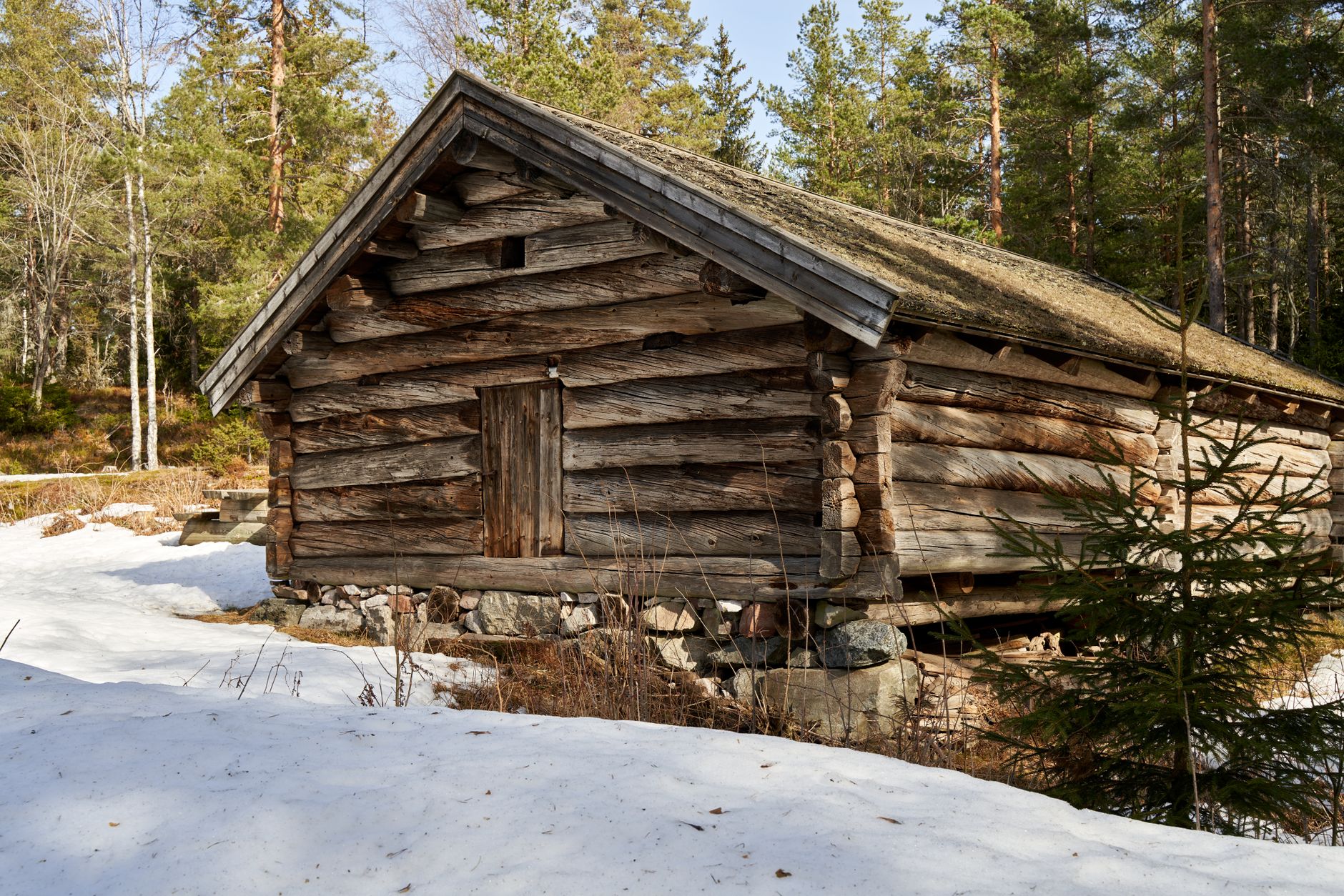
When you step across the threshold of a pine-clad hut positioned sixty miles north of Tromsø, the very first sensation is not visual—it is auditory. The deafening hum of contemporary civilization abruptly evaporates. The air inside smells of dried lichen, slow-burning birch logs, and unvarnished spruce beams.
The Sound of Snow
In high-latitude winters, precipitation does not merely fall; it dampens the universe. Architects designing across northern Norway and Swedish Lapland have long understood that sound insulation is as vital as thermal efficiency. Thick cross-laminated timber walls, triple-glazed argon-filled panes, and green roofs clad in turf absorb ambient vibration, leaving the dweller inside wrapped in profound stillness.
"Silence is not an emptiness. In the sub-polar wilderness, silence is a presence so tactile that you can lean your weight against it."
Pine, Slate & Hearth
Unlike urban dwellings saturated with synthetic finishes, these remote shelters celebrate honesty of construction. Slate tiles quarried from regional valleys retain radiant warmth from floor heating coils. Untreated wood develops a soft silver patina over the seasons, recording the exact direction of Atlantic storms.
The Arctic Dusk
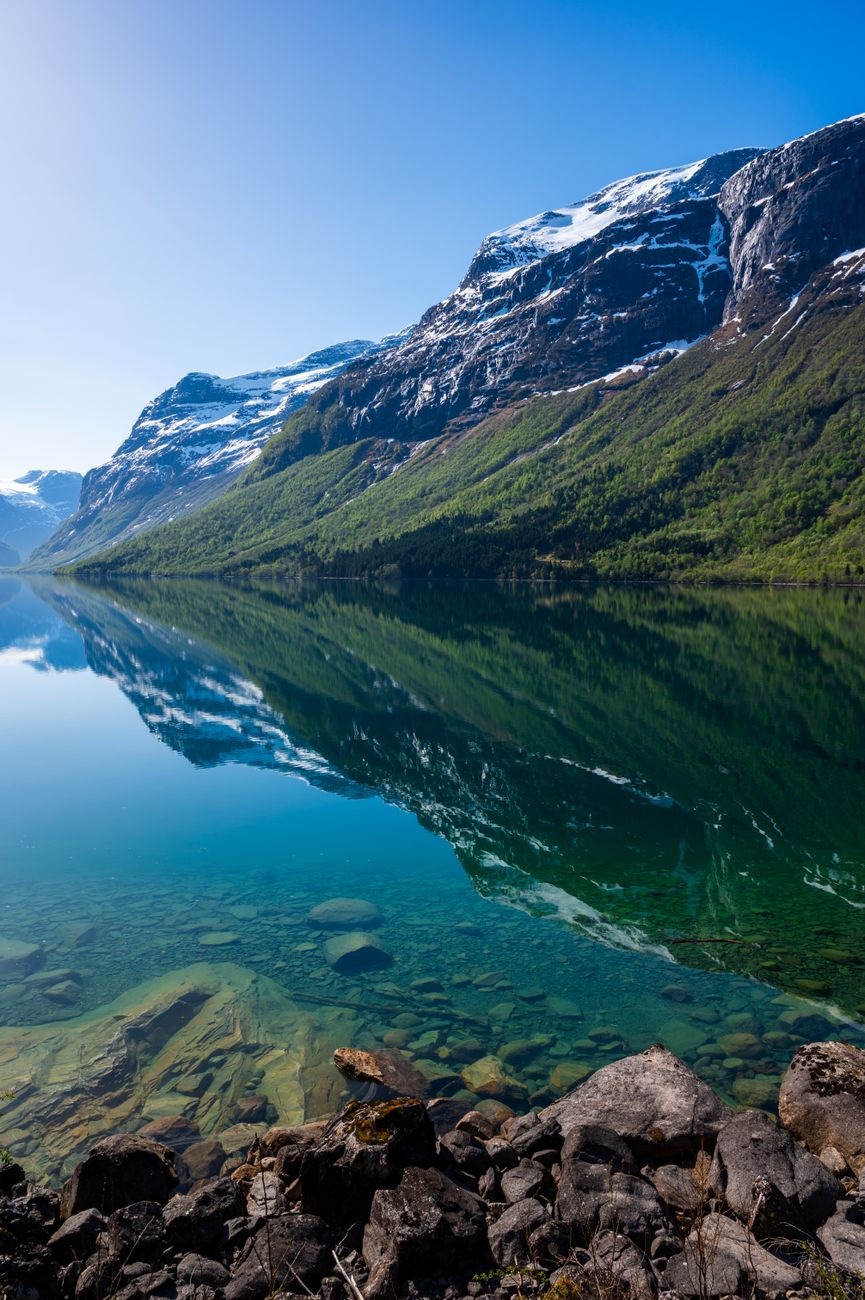
During the polar night, daylight is a gentle pastel phenomenon lasting scarcely four hours. The low azimuth of the sun coats the mountains in shades of apricot and dusty indigo. Cabin interiors adapt with minimal, warm illumination—brass reading lamps, tallow candles, and the persistent amber glow of cast-iron stoves.
Experiencing this landscape demands patience. It is an intentional slowing down that resets the nervous system, reminding travelers that comfort need not come from excessive technology, but rather from elemental shelter and uninterrupted horizons.